

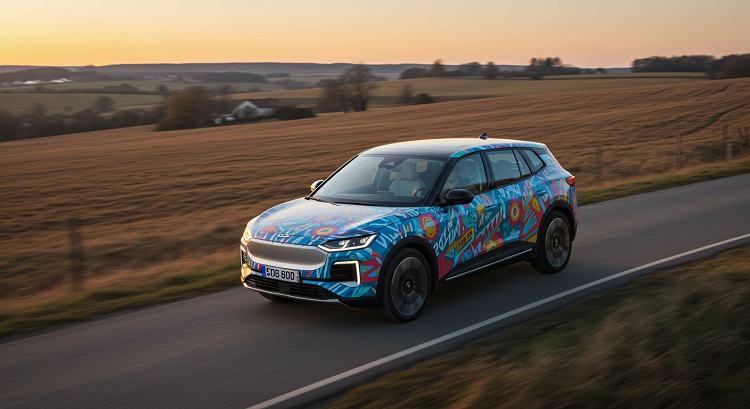
As electric vehicles (EVs) continue to gain popularity, the conversation around car ownership is expanding beyond performance, charging, and cost savings. One crucial area often overlooked by new EV owners is insurance. Just like traditional cars, electric vehicles require insurance coverage, but the policies, premiums, and considerations differ in several important ways. Understanding these differences can help drivers make better decisions and avoid unexpected costs down the line.
Why EV Insurance Matters
Owning an electric car is a long-term investment. EVs often come with higher upfront costs compared to conventional cars, mainly due to advanced battery systems and newer technology. This makes comprehensive insurance coverage essential to protect against potential losses. Insurance not only covers the vehicle itself but also provides financial protection against accidents, third-party liabilities, and damage caused by natural events or theft.
Moreover, EV-specific components like lithium-ion batteries and electric drivetrains are more expensive to replace or repair. Insurers take this into account when calculating premiums, which means EV policies are structured differently than those for gasoline-powered cars.
How EV Insurance Differs from Conventional Auto Insurance
While the core purpose of auto insurance remains the same—protecting drivers, vehicles, and third parties—the unique technology behind electric cars introduces new considerations:
Battery Coverage
The battery is the most expensive component of an EV, often accounting for 30–40% of the car’s cost. Insurance policies typically cover battery damage, but conditions vary. For example, accidental damage might be covered, while natural degradation over time usually isn’t.
Specialized Repairs
Repairing an electric vehicle requires specialized tools and trained technicians. Labor and parts can be more expensive, raising overall claim amounts.
Charging Equipment Protection
Many insurers now offer add-ons to cover home charging stations. Since these devices are essential for daily use, having them insured against damage or theft provides extra peace of mind.
Third-Party Liability
Just like with traditional vehicles, liability coverage is mandatory. This protects against financial responsibility if the EV owner causes injury or property damage to others.
Breakdown Assistance
Since range anxiety and battery-related issues are common concerns, roadside assistance packages often include towing services to the nearest charging point.
When evaluating different policies, resources like evblogs.in can be useful for drivers looking to understand evolving insurance trends and compare coverage details across providers.
Factors That Affect EV Insurance Premiums
Several variables influence how much you’ll pay for electric vehicle insurance:
- Vehicle Cost: High-end EVs naturally have higher premiums because the cost to repair or replace them is greater.
- Battery Size and Value: A larger, more expensive battery increases the insurer’s liability.
- Driver Profile: Age, driving history, and location play a significant role in premium calculations, just as with traditional cars.
- Safety Features: Many EVs come equipped with advanced driver-assistance systems (ADAS). While these features may reduce accident risk, repairing them after a collision can be costly, which insurers take into account when pricing policies.
- Annual Mileage: The more you drive, the higher the risk exposure, which can influence premiums.
Types of EV Insurance Coverage
When shopping for EV insurance, here are the main types of coverage to consider:
- Comprehensive Coverage
Protects against damage to your own vehicle from accidents, fire, theft, or natural disasters, in addition to third-party liabilities. - Third-Party Liability Coverage
A legal requirement in most regions, this covers damage or injury caused to others. - Collision Coverage
Specifically pays for damages to your EV caused by an accident, regardless of fault. - Add-Ons and Riders
- Battery Protection: Covers accidental battery damage.
- Charging Station Cover: Protects home charging units.
- Zero Depreciation Cover: Ensures full claim settlement without factoring in depreciation on parts.
- Roadside Assistance: Provides emergency towing and charging help.
Challenges in Insuring Electric Vehicles
Despite the benefits of insurance, EV owners often face unique challenges:
- Limited Historical Data: Since EVs are still relatively new in the market, insurers don’t have decades of data to analyze risk. This uncertainty often translates into higher premiums.
- High Repair Costs: Specialized parts and training requirements mean even small accidents can result in large claims.
- Battery Risks: Thermal runaway and battery fires, while rare, present risks that insurers must account for.
- Regional Variability: Availability of policies and add-ons can differ widely depending on local markets and infrastructure.
How to Reduce EV Insurance Premiums
While EV insurance can be expensive, there are ways to manage costs effectively:
- Install Safety Features
Cars with advanced safety ratings or anti-theft devices often qualify for lower premiums. - Bundle Policies
Combining EV insurance with home or other vehicle policies can lead to discounts. - Choose Higher Deductibles
Opting for a higher out-of-pocket expense in the event of a claim can lower premiums. - Use Telematics
Some insurers offer discounts if you install a telematics device that tracks driving behavior, rewarding safe driving with reduced rates. - Compare Providers
Shopping around and comparing policies remains one of the most effective ways to save money.
The Future of EV Insurance
As electric vehicles become mainstream, the insurance industry is adapting rapidly. Expect to see:
- More Tailored Products: Specialized policies focused entirely on EVs and their unique needs.
- Usage-Based Insurance: Rates calculated based on how and when you drive rather than flat premiums.
- Battery Leasing Models: As some automakers separate battery ownership from vehicle ownership, insurers will develop new frameworks for coverage.
- AI-Driven Claims: Faster claim processing through artificial intelligence and data analytics.
The future looks promising, with more competition among insurers expected to bring premiums down while offering better coverage options.
Final Thoughts
Electric vehicle insurance is more than just a regulatory requirement—it’s an essential safeguard for owners navigating the new age of mobility. While EV policies may seem more complex than conventional auto insurance, understanding the differences makes it easier to choose the right coverage.
From battery protection to specialized roadside assistance, EV insurance reflects the evolving landscape of modern transportation. By comparing options, considering add-ons, and being mindful of cost-saving strategies, drivers can secure policies that balance affordability with comprehensive protection.